Recycling and Sustainability at Monken Hadley Storage
 At Monken Hadley Storage, recycling and sustainability are part of how the site operates every day. Our approach is built around reducing waste, reusing materials where possible, and supporting the local community with practical, low-impact storage solutions. As a responsible self storage provider, we recognise that storage businesses can play a meaningful role in helping customers and teams make better environmental choices. That means planning for efficient waste handling, improving vehicle performance, and encouraging a culture where recycling first becomes the standard.
Our current recycling percentage target is to keep at least 90% of operational waste away from landfill through reuse, segregation, and recycling streams. This target covers everyday materials such as cardboard, paper, plastics, pallets, and metal packaging, along with more specialised items that require careful sorting. We review progress regularly and work to increase the proportion of materials recovered each year, because sustainability is not a one-time action but an ongoing commitment to smarter operations.
In practice, this means separating waste at source and following local authority expectations for mixed and dry recyclables. Across nearby boroughs, households and businesses are increasingly guided to sort paper, card, cans, glass, food waste, and residual rubbish into distinct collections. That boroughs-led approach to waste separation helps reduce contamination and improves the quality of materials sent for recovery. At Monken Hadley Storage, we take the same principle seriously by keeping clearly labelled bins and ensuring recyclable materials are not mixed with general waste.
 We also support sustainability through strong links with local transfer stations and waste handling facilities. Using appropriate transfer stations allows recyclable loads to be consolidated, sorted, and sent onwards in an efficient way, reducing unnecessary journeys and improving recovery rates. For non-hazardous operational waste, this local route helps keep transport distances short and supports a lower-carbon waste chain. It also means materials are handled in line with regional waste management standards and can be directed into the right recycling streams more reliably.
Part of our wider recycling and sustainability strategy is reuse before disposal. Packaging materials such as boxes, bubble wrap, and pallet wrap can often be reused internally or made available for others who need temporary moving supplies. Storage businesses naturally see a large volume of packaging, so preventing single-use waste is a practical way to improve environmental performance. We encourage careful handling of durable materials, because extending the life of an item is often the best form of recycling.
 Our partnerships with charities are another important part of the Monken Hadley Storage sustainability story. Where suitable items are no longer needed, we help direct usable furniture, household goods, office items, and assorted stock toward charitable reuse rather than disposal. Supporting charities reduces waste, gives items a second life, and benefits local and regional causes that rely on donations. This approach aligns with the idea that sustainability is not only about recycling, but also about circulation—keeping goods in use for as long as possible.
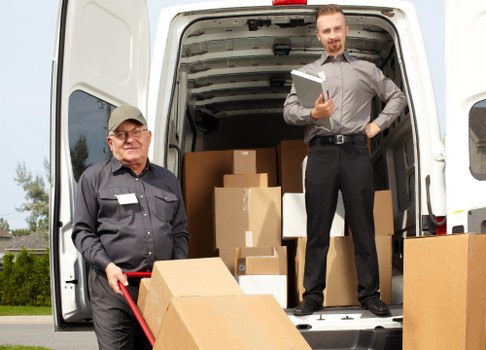
We also take a careful look at how our vehicle fleet supports our environmental goals. Our low-carbon vans are chosen with fuel efficiency and reduced emissions in mind, helping us lower the footprint of regular site operations. By using modern vans with cleaner engines and smarter routing, we can reduce fuel consumption on local trips to transfer stations, donation partners, and supply locations. This matters in areas where short journeys are frequent, because repeated trips can add up quickly over time.
Beyond vehicle choice, route planning is another tool that supports our sustainability commitments. Combining deliveries, collections, and recycling runs into efficient journeys reduces idle mileage and helps cut emissions. In a dense urban and suburban area, avoiding unnecessary travel is just as important as selecting cleaner vehicles. Our team aims to operate with a practical, measured approach: fewer miles, fuller loads, and better planning.
We also pay attention to the materials commonly seen in storage and moving operations. Cardboard remains one of the most widely recovered materials, and it is particularly relevant in a borough environment where residents and businesses generate regular packaging waste. Paper-based wrapping, corrugated cartons, and office paper are all suitable for recycling when kept clean and dry. Similarly, rigid plastics, shrink wrap, and metal fixtures are sorted where possible so they can be sent into appropriate recovery channels.
 Our recycling and sustainability work is shaped by the belief that even straightforward day-to-day tasks can have a positive environmental effect. Whether it is separating cardboard from general waste, choosing a low-emission delivery vehicle, or directing surplus items to charity, each action contributes to a smaller footprint. We do not treat sustainability as an abstract idea; we treat it as a series of practical choices that make a measurable difference.
In line with that philosophy, we aim to strengthen staff awareness around waste sorting and resource use. Clear labels, simple procedures, and consistent handling all help ensure the right materials go to the right place. When teams understand the importance of contamination-free recycling, overall recovery rates improve and waste costs can be reduced as well. That is good for the environment and supports long-term operational resilience.
We also recognise that local recycling infrastructure plays an important role in achieving better results. Borough collection systems, transfer stations, and reuse partners all form part of the wider network that keeps materials moving in the right direction. By working within that network and maintaining disciplined internal practices, Monken Hadley Storage can support a cleaner and more efficient cycle of reuse, recovery, and responsible disposal.
 Looking ahead, our commitment is to continue improving sustainability across the business. That includes maintaining our recycling percentage target, strengthening charity partnerships, and making greater use of low-carbon vans and efficient routing. As expectations around environmental responsibility continue to rise, we want our Monken Hadley storage operations to reflect a modern, practical, and community-minded approach.
For customers, this means choosing a storage provider that understands the importance of environmental care. For the local area, it means a business that contributes to waste reduction, supports reuse, and respects the systems that keep recycling effective. From borough-led waste separation to local transfer stations and charity collaboration, every part of the process matters. At Monken Hadley Storage, sustainable storage is not just a phrase—it is part of how we work.